
The wall
For years, I lived with a digital graveyard on my phone.
It was a list titled “App Ideas,” and it grew relentlessly. A tool to measure Share of Search for marketing. A smart automotive log to track oil changes and fuel efficiency. A clean, simple algorithm to settle the chaotic bar tab after four beers with friends.
I studied Computer Networks at university, so I knew enough to understand the magic of software. I knew that a few lines of code could solve real, irritating problems. But the truth? I was never actually good at coding. After graduation, the fast-paced world of marketing, campaign metrics, and growth charts consumed my career. My desire to build things stayed buried under a mountain of self-doubt and practical realities.
Every time inspiration struck, I hit the exact same wall: I don’t have the time. I don’t have the skills. I’m a marketer, not a developer. My ideas remained trapped in my notes, waiting for a co-founder or a free six months I knew would never come.
The spark & the shift
Then came the shift. It started as a whisper in the industry—an idea Andrej Karpathy coined as “vibe coding.”
I watched colleagues and creators in the community building photo generators and launching functional prototypes over a single weekend. Driven by curiosity, I jumped into an AI course, and suddenly, the pieces clicked into place with terrifying clarity. I realized I had been thinking about software development all wrong. I didn’t need to spend six months memorizing syntax, fighting with Nginx configurations, or searching Stack Overflow at 2:00 AM for a missing semicolon. I just needed to provide the vision, the logic, and the “vibe.” The AI would handle the syntax.
Over one weekend, the dam broke. I sat down with AI assistants like Cursor and Google AI Studio and built four fully functional applications.
-
- A recipe app that snaps a photo of a ingredient list, rescales the grammage for five people instead of two, identifies exotic vegetables like Pak Choi, and automatically sequences the shopping list to match the aisle layout of my local grocery store.
-
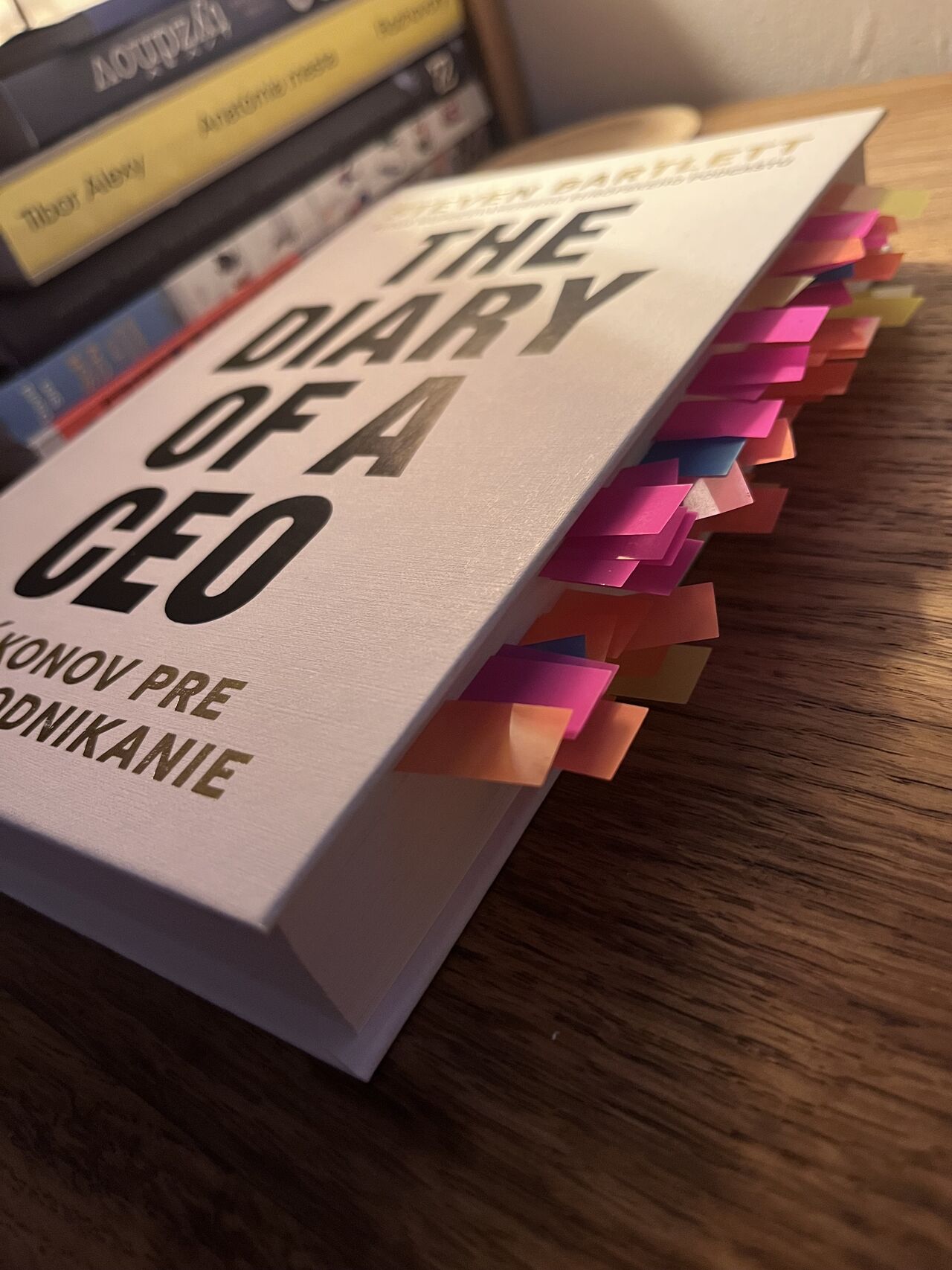
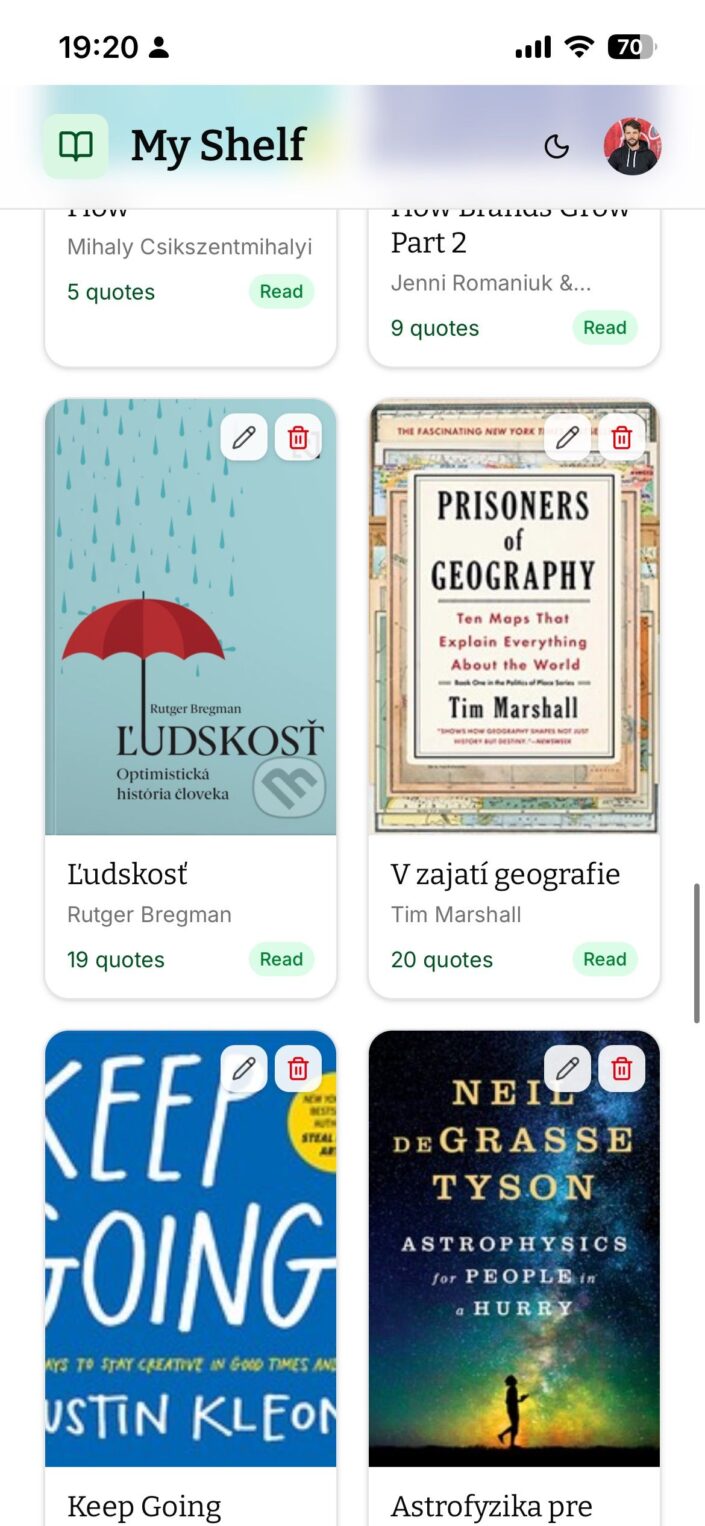
- A voice-activated quote collector for book lovers that turns spoken thoughts or book photos into structured logs with ISBN tracking—replacing awkward screen highlighting with a simple phrase.
What used to represent months of frustration, broken dependencies, and abandoned code became an effortless, creative jam session. I wasn’t typing code line by line; I was directing a incredibly fast digital engineer.

A whole new world
We often hear the old industry adage: “Ideas are cheap; execution is everything.”
For decades, that rule kept creative non-technical people on the sidelines. The distance between a brilliant idea and a working Minimum Viable Product (MVP) was a canyon made of expensive engineering hours and steep learning curves.Vibe coding closes that canyon into a crack you can step over in an afternoon.You don’t need to know how every underlying library works to build something that fundamentally improves your daily life or validates a business concept. Your ability to articulate a problem, understand logic flow, and prompt effectively is now your primary development tool.
If you have a note on your phone full of forgotten ideas, or if you’ve ever stopped yourself from building something because you “aren’t a programmer,” I have one piece of advice: Try it this weekend. Pick a tiny, specific pain point in your daily routine. Open an AI builder, describe what you want in plain human language, and iterate. The barrier to creation hasn’t just been lowered it has been completely removed.
The only thing standing between your idea and a working app is your willingness to start the conversation.

You might also like